Cognitive & Behavioral Strategies
Practical ways to catch unhelpful patterns, change habits, and get better at solving problems.

Telehealth therapy for adults, anywhere in Florida, with a real person on the other side of the screen.
Start here · 1 of 3
Nothing you pick here is saved or sent anywhere.
You don't need to have it all figured out before reaching out. You just need a place to start.
· Jimmy
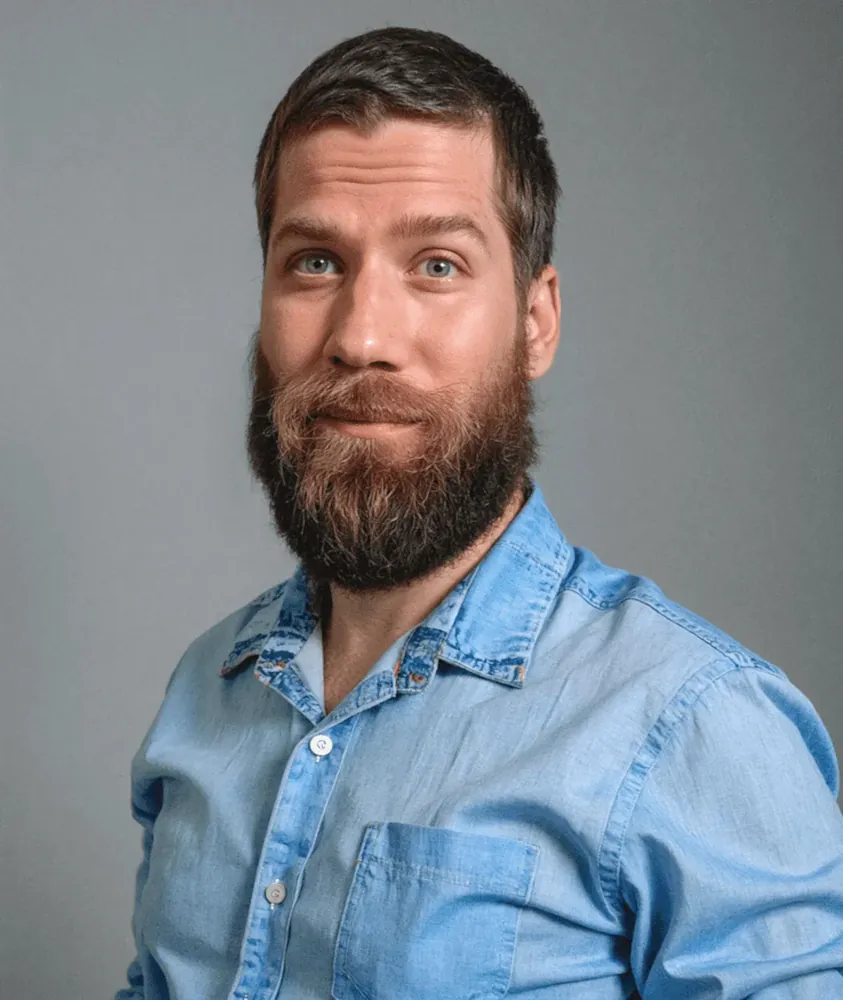
Chapter 3 · Meet your therapist
I think therapy works best when you're talking to a real person, not someone hiding behind a perfect facade. Life gets messy, and I'd rather be honest with you about that and give you practical help than pretend otherwise. I want therapy to feel approachable and, more than anything, actually useful.
Taking care of your mental health matters, and so does feeling comfortable with the person doing the work with you. A lot of therapy feels too clean and too distant, like you're talking to someone from another planet. That doesn't help much when you're in the middle of the hardest stretch of your life.
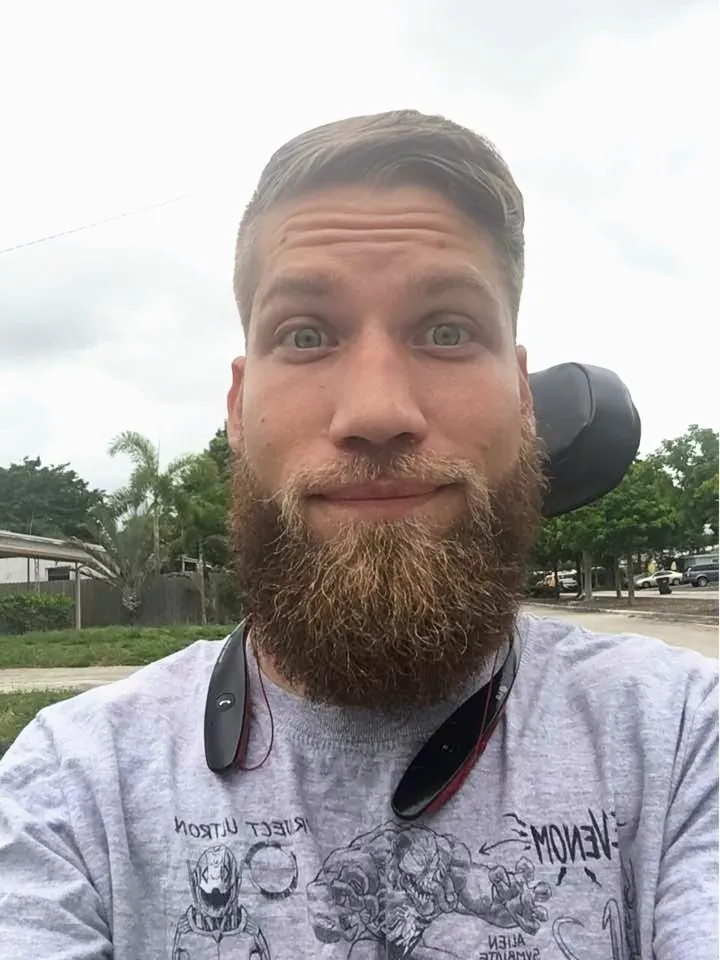
Fair warning: ask me about wrestling or giraffes and we may run over time.
Read the whole storyThe letters after my name
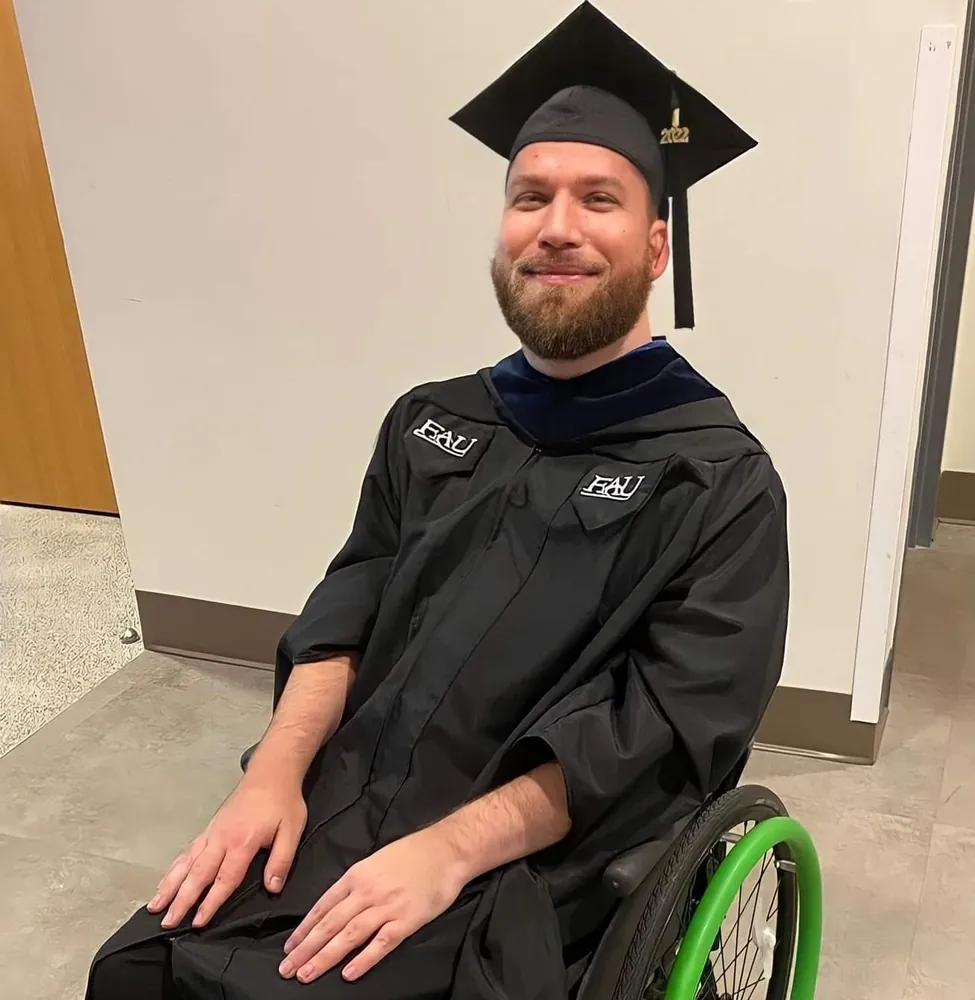
I’m a Licensed Clinical Social Worker (LCSW) in Florida, with a Bachelor’s and a Master’s degree in Social Work from Florida Atlantic University. Growing up in South Florida with cerebral palsy gave me an inside view of how disability, inequality, and systemic barriers shape everyday life. I’ve also lived through homelessness and trauma, and I’ve watched people I love struggle with mental health and addiction. All of that pushed me to find something useful in the hard parts, and it shapes how I show up for people now.
I’m trained in CBT, DBT, and trauma-informed care, and I lean on flexibility and creativity: meeting people where they are, staying real, and finding solutions even when the way forward isn’t clear. Therapy, educational workshops, community projects, it’s the same goal every time. Handle the hard stuff with empathy and honesty, and keep your best interests at the center.
Being a Licensed Clinical Social Worker (LCSW) means I’ve finished a Master’s in Social Work, two years of supervised clinical practice, and Florida’s clinical licensing exam. It also means I’m licensed to diagnose and treat mental health conditions independently. I still lean on the clinicians who trained me, which gives me and my clients the benefit of decades of support.
Check my work
For more information about what an LCSW license means, visit Florida Mental Health Professions (opens in a new tab). You can also verify my license (opens in a new tab) with the Florida Department of Health.
Chapter 4 · You are not the only one
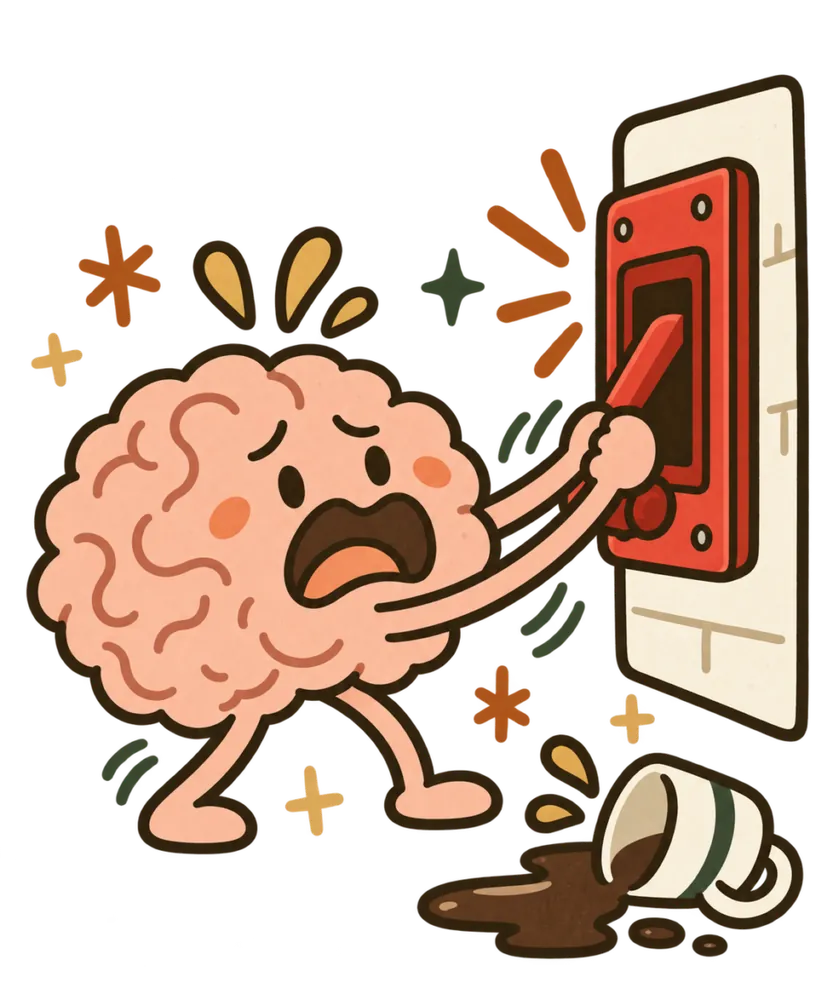 AnxietyFor when your mind won't stop runningRead more about Anxiety
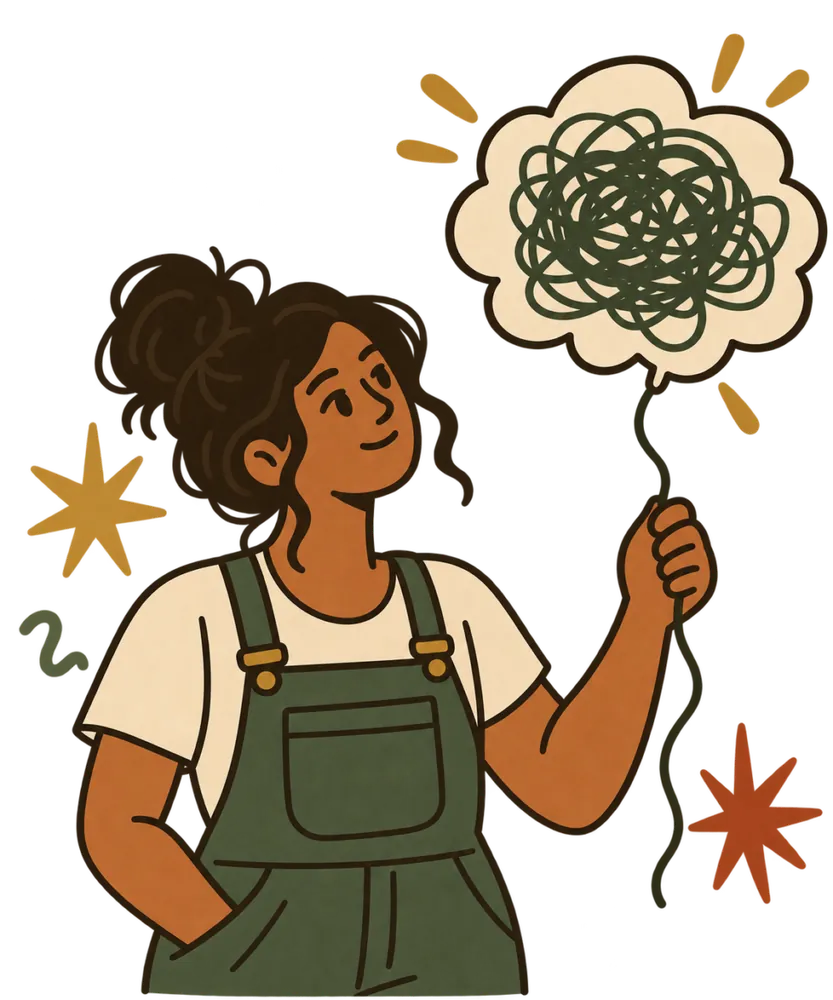 OCD and intrusive thoughtsOCD has an incredible talent for finding the thing you care about mostRead more about OCD and intrusive thoughts
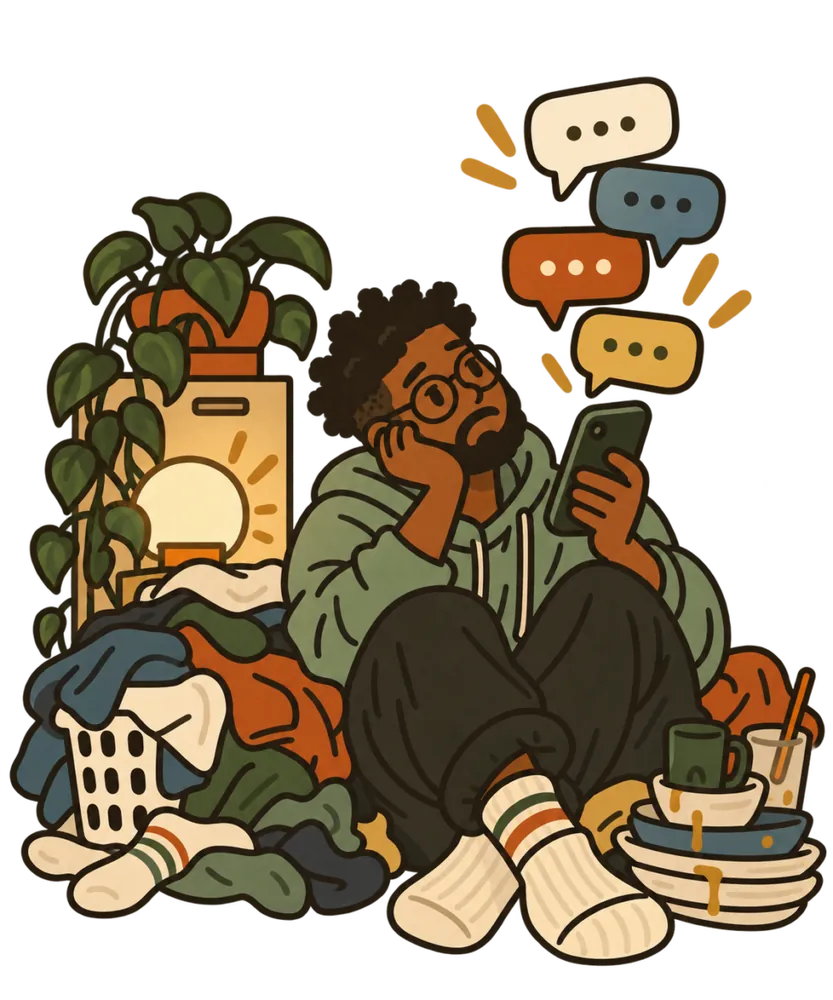 DepressionFor when everything feels heavier than it shouldRead more about Depression
 Trauma and PTSDYour reactions make sense. They can also get easier to live with.Read more about Trauma and PTSD
 Serious mental illnessA diagnosis can describe something you experience. It does not get to describe everything you are.Read more about Serious mental illness
 Life transitionsFor the seasons when everything changes at onceRead more about Life transitions
 Disability and chronic illnessDisability is not automatically a tragedy. The systems around it can still be exhausting.Read more about Disability and chronic illness
The full list
I work one on one with adults, from young adults to older adults, by telehealth anywhere in Florida, on the things that make daily life heavier than it needs to be. Some of what walks through my door most often:
Has its own page
Chapter 5 · What working together looks like
Anxiety, depression, and trauma rarely show up one at a time, so we don't have to sort it all out on day one. Here's roughly how it goes.
Step 1The first few sessions are about figuring out what's actually going on and what you want to be different.
Step 2We spot the patterns that are hard to see from the inside, and you pick up practical skills to try between sessions.
Step 3I'll tell you what we're doing and why. There's enough structure to make progress and enough give to fit your actual life.
Using your insurance
I'm in network with these plans, and more are on the way. Look for the name on your insurance card.
Not on the list? Private pay may be an option. Everyone books the same way, through my scheduling page.
In network now
The toolbox
I draw on CBT, DBT, and trauma-informed practices to teach skills for handling stress, finding some balance, and keeping recovery on track. They give us structure without being rigid, so the plan can bend when your week does.
Practical ways to catch unhelpful patterns, change habits, and get better at solving problems.
Grounding and awareness practices that can lower stress, sharpen focus, and help you meet hard moments with a steadier head.
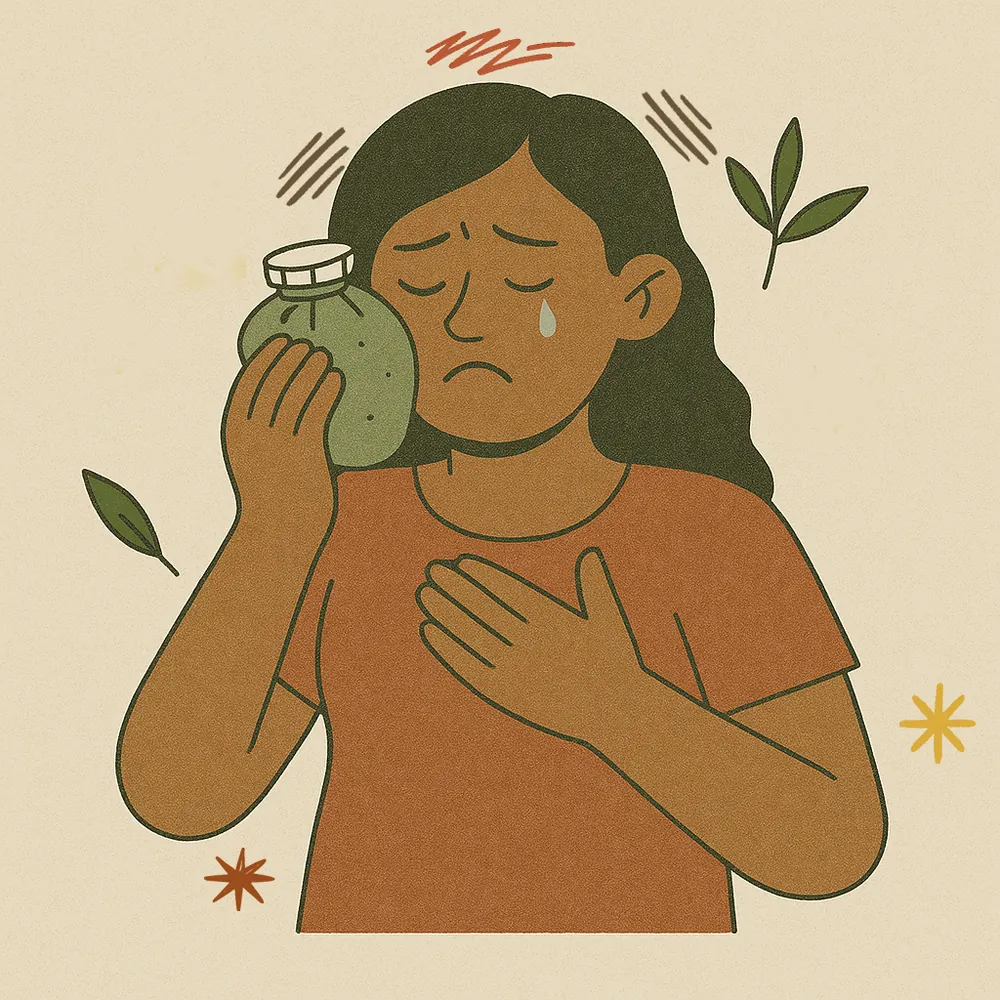
Skills for handling strong emotions and riding out stress, plus actions guided by your values that help you keep going after a setback.
Pick a time on my scheduling page. Insurance or private pay, the process is the same, and you can add your insurance while you book. Questions first? Call 754.400.0824 or send me a message.