
About Me
The degrees say “clinical.” The vibe says “we’re in this together.”
I'm a Florida Licensed Clinical Social Worker with a Bachelor's and a Master's in Social Work from Florida Atlantic University, and I see adults by telehealth anywhere in Florida.
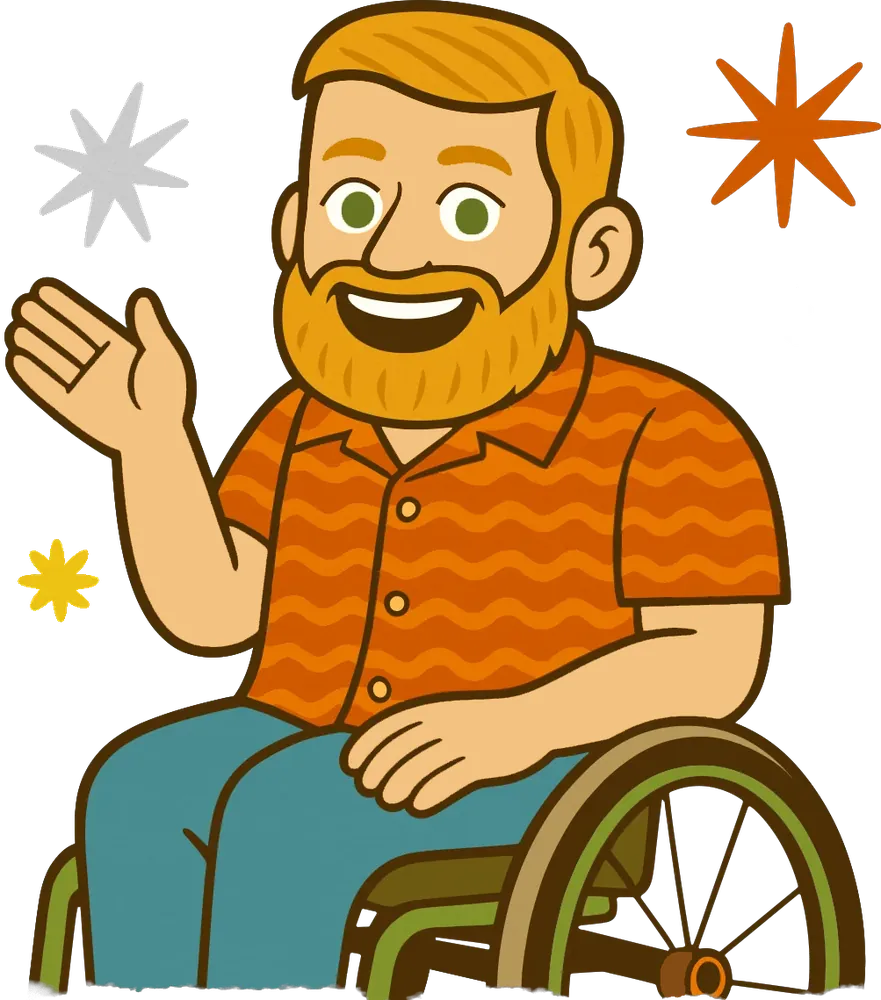
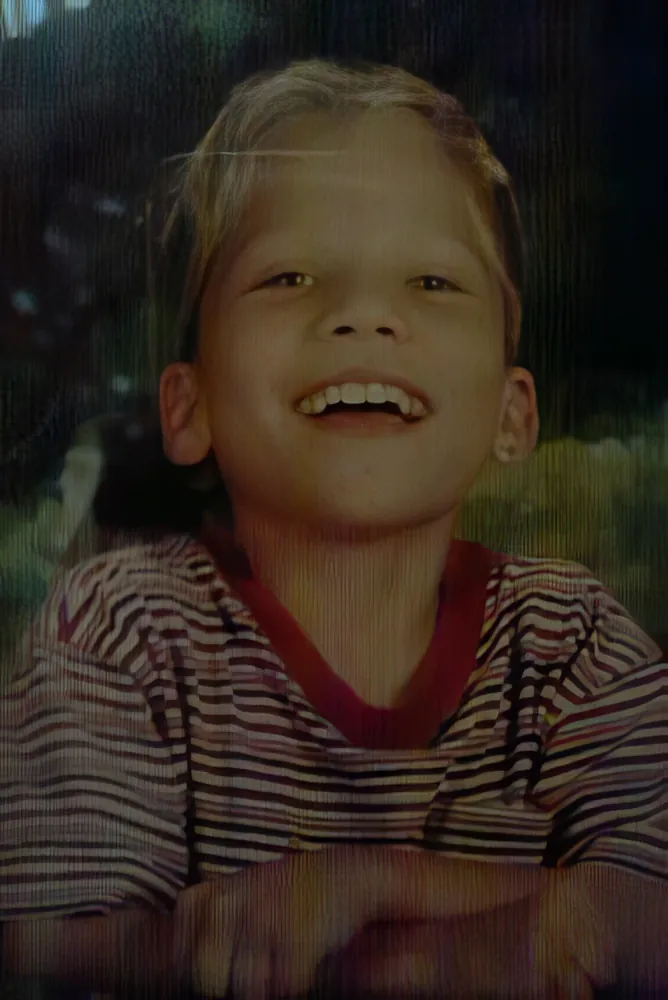
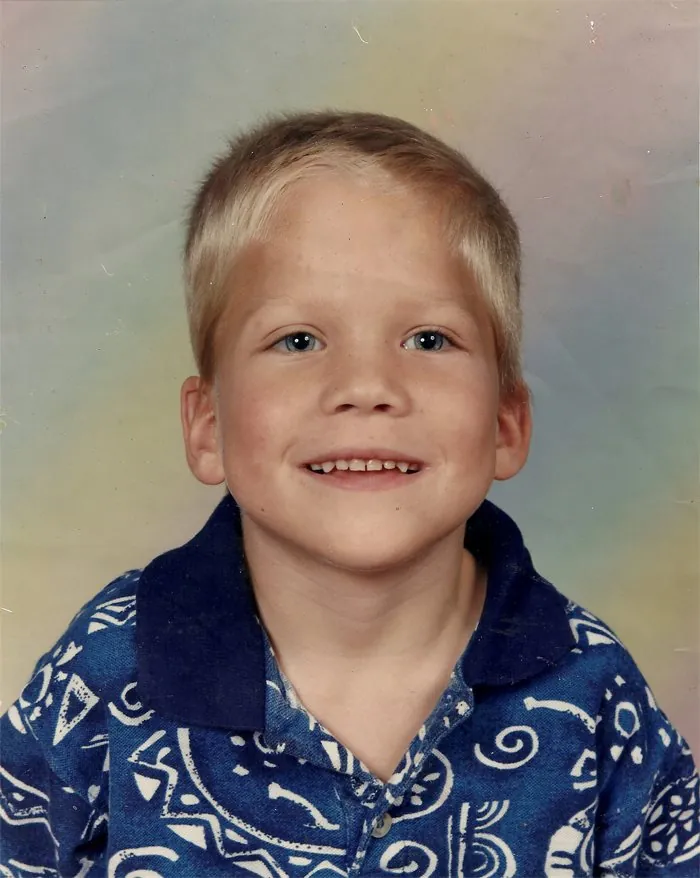
My story
The kid I was before any of this
Long before I had a caseload, I was the kid getting bullied for the wheelchair. I was the one who never really had lunch money. We lived in a trailer with a hole in the floor, and when my father passed away, I watched my family come apart. I acted out in school because I didn't know what to do with my emotions yet. I had a learning disability I didn't understand, so I filled in the blank myself and decided I was dumb.
I watched people I loved lose themselves to addiction. A lot of the time I couldn't put what I felt into words. I was the angry wannabe rapper who eventually started pouring all that frustration into lyrics about how unfair the world seemed. Stories gave me hope. Power Rangers taught me that believing you can save the day is the most important piece of actually doing it. Wrestling taught me that each of us is our own hero and our own villain, and we keep choosing which one we want to be.
I dropped out of high school because it didn't seem like anyone cared whether I made it or not. I kept going anyway. Two degrees later, I was the first person in my immediate family to graduate from college. Most of the people I grew up around told me I'd never be anything, that someone like me didn't get to be more than average. I had to learn that not everything people tell you is worth believing. Some things are, though. People can grow, and life can get a little easier than it feels right now.
How we got here
The long way here
Before mental health, I worked at GameStop, sold mobile phones, tore movie tickets, and designed websites for small businesses. None of that looks like a road to therapy. Still, every one of those jobs taught me the same thing. The person trading in a game and the person arguing over a phone bill usually wanted the same thing, which was someone to listen.
Then I took General Psychology at Broward College, figuring it would be an easy elective. It ended up rerouting my whole life. Huge shoutout to Melinda Shoemaker (opens in a new tab), the coolest professor I've ever had. She cared about the people behind the behavior as much as the science, and she made both of them interesting. Somewhere in that class I knew this was the work I wanted to do. That surprised me, because growing up I didn't think therapy was for people like me. It looked like something for people with better insurance, quieter homes, or fewer fires to put out.
It took a long time to learn that mental health is not a privilege. It is a right. I want to create something that reflects that truth.
If you'd rather have the clinical side, my training, work settings, and approaches are in the experience section below. If you're wondering what working together would look like, how online therapy works in Florida is a good place to start.
Off the clock
The “Me” Behind the Degree
Movies, giraffes, loud shirts
When I'm not working, I'm usually watching a movie. I can find something to chew on in a classic drama or a wildly unnecessary sequel, and I'm not picky about which. My favorite animal is the giraffe. They look too strange to work on paper, and somehow they still do. I relate. I also mostly wear shirts loud enough to count as personality traits.
Listen to the Soundtrack
If therapy had a soundtrack, mine would be underground hip hop. It pulls from jazz, soul, rock, and plain chaos and somehow comes out honest. Sessions feel a lot like that to me. They're rarely neat, but there's usually a rhythm in there if you listen for it.
Small Reminders
Something I tell myself a lot is that I'm the sum of everything I've ever taken in, the lessons and the losses included. Minds keep changing over a lifetime, and that's exactly why growth is possible.
I want James Roberts Mental Wellness to be more than a place to have therapy sessions. Community matters to me. So does making mental health care something you can walk up to without having the right words ready or your life in order first.
To-do list:
- Bachelor’s in Social Work (done)
- Master’s in Social Work (done)
- Earn clinical licensure (done)
- Make therapy more accessible
- Advocate for mental health
Make gaming more accessible
Stay real, stay human
Build places where people can learn and grow
My Experience
A closer look at the work I've done.
Want the credentials first? Skip to the boring stuff.

A Quick Overview
Research-Backed
I use CBT, DBT, and solution-focused approaches. In practice that means noticing what you already do well, getting a better handle on big emotions, and making the changes you care about.
You Set the Goals
We work on this as a team. You decide what matters, and we go at a speed that works for you.
Care Coordination
I know my way around community systems, I work closely with healthcare teams, and I try to make sure nothing gets lost when your care moves from one provider to the next.
Group Facilitation
I've run trauma-informed, skills-based groups on managing emotions, recovery, and relapse prevention.
Crisis Support
When someone is in acute distress, I stay calm and keep things structured. Safety and stabilizing come first, and I make sure follow-up care is lined up afterward.
The Whole Picture
Social work trains you to look past the symptoms to the life around them. Work, family, money, and health all shape how you're doing, so they're fair game in our sessions too.
...and more
Why I do this...
What I care about
Therapy is one piece of mental health. Access and education matter too, and so do the people around you. I work with adults dealing with anxiety, depression, trauma, and major life changes. Every job I've had has made me better at connecting with people, coordinating their care, and helping them get on steadier ground. I'd like getting help to feel practical, and a lot less intimidating than it usually does.
- Recognition
- 2024 Employee of the Year, Henderson Behavioral Health North
- Licensure
- Florida Licensed Clinical Social Worker, license SW27230, verifiable with the Florida Department of Health
- Caseloads
- 30 to 60+ adults at a time, from community mental health to outpatient settings
- Telehealth
- Since 2020, from Zoom groups of 30 during the pandemic to a full outpatient caseload today
Where I have done the work
Clinical & Community Experience
I've been lucky to work in both community and clinical settings, and both of them make you stay flexible, lean on your team, and be consistent. Each job pushed me further toward care that's based on research and built around the actual person in front of me.
Outpatient settings
At Elevate Psychiatry and My Psychiatrist, I was the psychotherapist on a multidisciplinary team. I did individual therapy, coordinated with the psychiatrists and nurse practitioners who handle medication, and kept my documentation up to Medicaid, Medicare, and commercial insurance standards. To be clear, I am not a psychiatrist and I do not prescribe.
Community mental health
At Henderson Behavioral Health, I worked in the co-occurring disorders outpatient program, which uses the Role Recovery model. That meant individual therapy, crisis intervention and safety planning, plus trauma-informed relapse-prevention groups I designed for clients at different stages of readiness.
Hospital
At Broward Health, I provided trauma-informed care and handled discharge planning, so people leaving the hospital had somewhere to go next.
Community and disability services
At the FAU Memory and Wellness Center, HabCenter, and Joshua’s Path, I ran reminiscence groups for older adults, wrote individualized plans for adults with developmental disabilities, and coached neurodivergent adults on getting ready for work.
The full timeline
Role by role
Elevate PsychiatryCoconut Grove, Florida · Mar 2026 to Oct 2026 · Telehealth
Worked as the therapist on a multidisciplinary outpatient team, seeing adults with anxiety, depression, OCD, trauma, and serious mental illness for individual psychotherapy. Used CBT, DBT, ERP-informed, and solution-focused interventions, and coordinated care with the psychiatrists and nurse practitioners managing medication. Kept documentation to ethical and insurance standards, and provided gender-affirming, culturally responsive care.
My PsychiatristOakland Park, Florida · Oct 2025 to Mar 2026 · Telehealth
- Carried a caseload of 60+ adults dealing with anxiety, depression, PTSD, OCD, and co-occurring substance use disorders.
- Used CBT, DBT, ERP, and motivational interviewing in individual telehealth therapy, picking the approach based on what each person needed and wanted to work on.
- Did biopsychosocial assessments and wrote individualized treatment plans, covering diagnostic formulation and tracking progress over time.
- Led the build of an agency resource directory so clients could find housing, legal, and behavioral health services.
- Coordinated with psychiatrists, primary care providers, and community organizations, often working across several systems at the same time.
- Practiced culturally responsive, gender-affirming, and trauma-informed care, and worked to make treatment easier to reach for underserved clients.
- Kept clinical notes current and in line with Medicaid, Medicare, and commercial insurance standards.
Elevate PsychiatryDoral, Florida · Jul 2025 to Oct 2025 · Telehealth
- Managed a diverse caseload with DBT, CBT, and solution-focused interventions, picked to fit each client.
- Worked with healthcare teams to keep each client’s treatment matched to their needs and to current best practice.
- Wrote timely, accurate documentation that met ethical and insurance standards.
- Provided gender-affirming, culturally sensitive care that took each client’s identity and background seriously.
Henderson Behavioral HealthTamarac, Florida · Feb 2024 to Jul 2025
- Managed a caseload of 30 clients, using CBT, DBT, and motivational interviewing in client-centered therapy built around each person’s goals.
- Built and carried out individualized treatment plans with multidisciplinary teams, including psychiatrists and case managers.
- Handled crisis intervention and safety planning for clients in acute mental health episodes, keeping the focus on safety and continuity of care.
- Led trauma-informed substance use recovery groups and wrote the curricula, matched to where clients were in their readiness for change.
- Kept documentation current in NetSmart MyAvatar.
- Named 2024 Henderson Behavioral Health North Employee of the Year for outstanding clinical contributions.
Broward Health NorthDeerfield Beach, Florida · Mar 2023 to Jun 2023
- Provided trauma-informed therapy to clients with all kinds of mental health and substance use concerns.
- Handled discharge planning for clients moving on to outpatient services, coordinating with healthcare providers and community organizations.
- Kept accurate, timely documentation in the Cerner Millennium EHR system in line with regulatory requirements.
Goodman Jewish Family Services, Joshua's PathDavie, Florida · Jan 2021 to Apr 2022
- Coached neurodiverse adults on life and job skills using solution-focused techniques, helping them become more independent.
- Organized hands-on workshops on job readiness and practical skills so clients felt more confident heading into the workplace.
FAU Memory and Wellness CenterBoca Raton, Florida · Jan 2022 to Apr 2022
- Led group activities and reminiscence therapy with older adults, supporting their cognitive and emotional well-being.
- Worked with healthcare professionals to adjust care plans as participants’ needs changed, keeping the person at the center.
HabCenter Boca RatonBoca Raton, Florida · Aug 2020 to Dec 2020
- Facilitated group and individual services for adults with developmental disabilities, grounded in trauma-informed care.
- Led virtual sessions for up to 30 clients during pandemic restrictions so people could stay socially connected and mentally active.
- Wrote and carried out individualized care plans for clients with developmental disorders, built around each person.
The boring stuff (it matters)
Education and Training
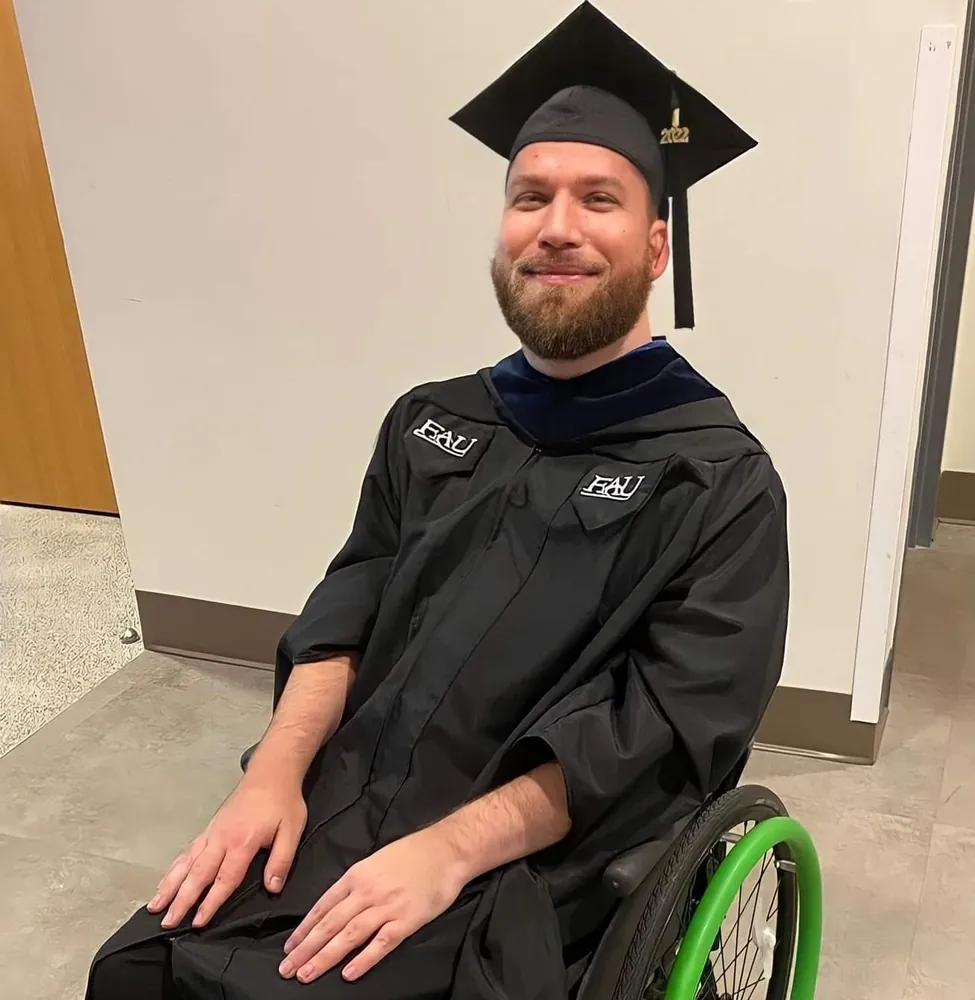
I earned both my Bachelor’s and my Master’s in Social Work at Florida Atlantic University. The coursework leaned hard on systems theory, trauma-informed care, and cultural humility, and it gave me solid footing for ethical, flexible work in settings that look nothing alike.
Florida Licensed Clinical Social Worker · License No. SW27230
Verify my license with the Florida Department of Health (opens in a new tab)
Core Areas of Study
- Psychopathology in Clinical Social Work Practice
- Cognitive and Behavioral Interventions
- Trauma-Informed and Strengths-Based Practice
- Cultural Humility and Ethics
- Clinical Assessment and Facilitation
- Human Behavior in the Social Environment
- Family Systems and Advanced Practice with Adults, Children, and Elders
- Mindfulness and Social Work Practice
- Intervention in the Field of Addiction
- Loss and Grief Across the Lifespan
How I work
Approaches I use most
I like a mix of structure and flexibility. The methods are research-backed, and I explain them in plain language so they're something you can actually use. Open any of these for the longer version.
Cognitive Behavioral Therapy (CBT)
CBT looks at how your thoughts, feelings, physical reactions, and behavior affect each other.
The pop-culture version is swapping “negative” thoughts for happy ones, which misses most of it.
What we look for are the patterns that keep a problem going.
That can mean testing a prediction, like “they'll all think I'm stupid.”
For other problems, behavior is the better place to start.
Rescheduling the doctor appointment for the third time, checking the stove again, texting a friend for reassurance. All of it makes sense and brings quick relief, and over time it quietly makes the problem harder.
CBT gives us a structured way to find the part of that loop we can change.
DBT-Informed Strategies
Dialectical Behavior Therapy is built around an idea I come back to constantly in my work.
You can accept where you are and still work to change it.
A habit can make complete sense given what you've lived through and still be making your life harder today.
I use skills drawn from DBT, mainly emotion regulation, distress tolerance, mindfulness, interpersonal effectiveness, and behavioral analysis.
Using DBT skills in therapy is different from a comprehensive DBT program, which traditionally includes several coordinated components.
Motivational Interviewing
I won't try to argue you into changing.
It's normal to want two things that cancel each other out.
Someone can want sobriety and still miss what substances did for them.
You might want a different relationship and still be terrified to leave.
Or you know something is hurting you and just don't feel ready to stop yet.
Motivational Interviewing treats that ambivalence as normal, instead of calling it resistance or failure.
I'm not there to win a debate.
I'd rather help you hear both sides of the argument you may already be having with yourself.
Solution-Focused Therapy
Knowing how the fire started can be useful.
If it's still burning, the extinguisher comes first.
Solution-focused work looks at your strengths and resources, your goals, the times the problem doesn't show up, and signs that things are already moving the right way.
You don't need to know every historical cause of a problem before you're allowed to make it better.
Psychoeducation
I like you knowing what we're doing and why.
If I ask you to practice something uncomfortable, I owe you an explanation of why.
Psychoeducation is just translating mental health concepts into plain language you can use.
If you understand why an anxiety cycle keeps repeating, it gets easier to interrupt.
Once you see what avoidance does, exposure starts to make more sense.
Learning what happens during a mood episode can help you catch the early warning signs.
You shouldn't have to take it on faith that I've got some secret psychological magic.
ERP-Informed Strategies
Exposure and Response Prevention is most closely tied to OCD treatment.
“Face your fears” only covers half of it.
In ERP you deliberately approach triggers, thoughts, sensations, or uncertainty while cutting back the compulsive response that usually brings short-term relief.
I use ERP-informed strategies within the scope of my training and clinical practice.
If you'd be better served by specialized or intensive OCD treatment, I'll tell you that directly.
Trauma-Informed Care
Trauma-informed care and trauma therapy are two different things.
Trauma-informed care means keeping in mind how trauma can affect safety, trust, relationships, choice, and how someone experiences healthcare itself.
In practice, I explain what we're doing, you get a say in the plan, and I look at behavior in the context of what you've been through.
If you specifically need a structured trauma-focused treatment like CPT, PE, or EMDR, that's a separate clinical question, and we should talk about it honestly.
Culturally Responsive, Affirming Care
Your culture, identity, and story are respected here, and that includes LGBTQ+ affirming and gender-affirming care.
Mindfulness and Grounding
Mindfulness doesn't ask you to be calm all the time or act like nothing bothers you.
A lot of the time it just means noticing what's happening right now, before your brain drags you into what it predicts might happen next.
Grounding skills help pull your attention back to the present when anxiety, trauma responses, dissociation, or intense emotion start to take over.
They're just tools.
Nobody's grading your calm.
Group Facilitation
Skills-based, recovery, and relapse-prevention groups, with curricula matched to where each member is in their readiness for change.
James Roberts, LCSW, is licensed by the Florida Board of Clinical Social Work, Marriage & Family Therapy and Mental Health Counseling (SW27230).
The people on my screen
Who I work with

Minds and Ages
- Neurodiverse people working on coping, social, and communication skills
- Older adults dealing with memory changes, loss, and the transitions that come later in life
What People Bring
- Adults and young adults living with anxiety, depression, trauma, or personality disorders
- Adults living with schizophrenia, bipolar disorder, or another serious and persistent mental illness
- People in recovery from substance use, including those with co-occurring conditions

Identity, Health
- People sorting through questions about identity, inclusion, and accepting themselves
- People dealing with physical disability, chronic illness, or stress that never seems to let up
Credentials you can verify
Check my work
Credentials
- Florida Licensed Clinical Social Worker, license SW27230 · verify it (opens in a new tab)
- Master of Social Work, Florida Atlantic University, 2022
- Bachelor of Social Work, Florida Atlantic University, 2020
- 2024 Employee of the Year, Henderson Behavioral Health North
- Participating provider with Original Medicare
Why there are no testimonials here
Social work ethics do not allow me to ask clients for testimonials, and I do not respond to online reviews, because even confirming that someone is a client would break confidentiality.
In place of reviews, you get a license you can look up and colleagues who know my work.
You don't need a perfect week to get started.
Pick a time on my scheduling page. The process is the same whether you're using insurance or paying privately.